
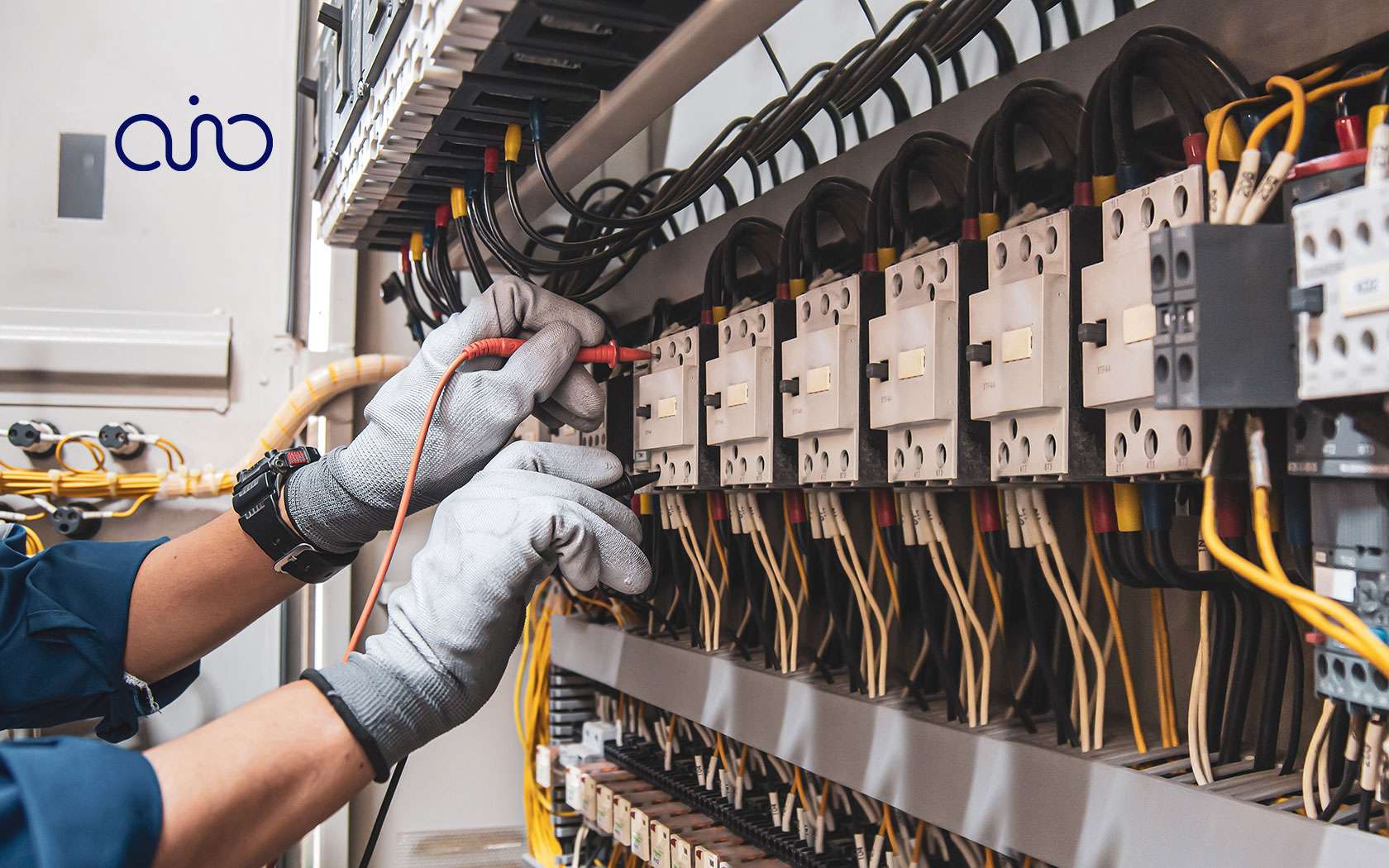
Electrical safety is crucial for preventing accidents, fires, and injuries. At All in One PAT Testing, we’ve seen many electrical hazards and know how important it is to keep electrical environments safe. Let’s look at 12 common electrical safety violations and how to avoid them, to protect your home, workplace, and the people in them.
Overloading circuits can cause overheating and fires. This happens when too many devices are plugged into one outlet or circuit. The extra current can make wires heat up too much, possibly melting insulation and starting fires inside walls.
How to avoid:
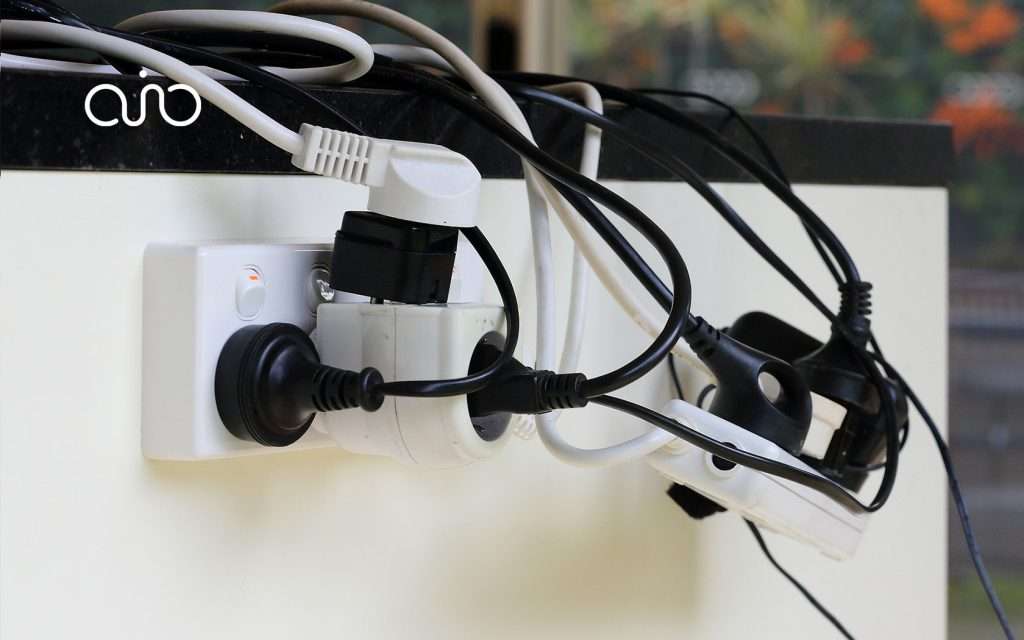
Many people use extension cords as permanent wiring, which can create trip hazards and increase fire risks. Extension cords are for temporary use and can wear out if left in place for too long. This can lead to exposed wires, short circuits, and fire hazards.
How to avoid:
GFCIs are important in areas where water might be present, like kitchens and bathrooms. They protect you from electric shocks by quickly shutting off power when they detect a problem. In the UK, RCDs (Residual Current Devices) do a similar job and are essential for preventing electrical accidents in wet areas.
How to avoid:
Many people forget to have their electrical systems checked regularly, which can lead to hidden dangers. Regular inspections can find potential problems before they become serious, keeping your electrical system safe and working well.

How to avoid:
Learn more about our PAT testing services to keep your electrical equipment safe and up to date with rules.
It’s easy to miss warning signs like flickering lights or warm outlets, but these can point to serious issues. Ignoring these signs can lead to bigger problems, including electrical fires or equipment breaking down. Dealing with these signs quickly can prevent expensive repairs and keep everyone safe.
How to avoid:
Frayed or exposed wires in cords can cause shocks and fires. The covering on electrical cords is there for safety, and any damage to it can be dangerous. Damaged cords increase the risk of getting shocked, short circuits, and fires starting.
How to avoid:
Plugging too many things into a power strip can overload it and cause a fire. Power strips are handy but can only handle so much electricity safely. Using too much power can make them overheat, melt, and possibly start an electrical fire.
How to avoid:
Electrical systems that aren’t properly grounded can increase the risk of shock and damage to equipment. Grounding gives extra electricity a safe way to go, protecting people and equipment from electrical dangers. In the UK, proper earthing is very important for electrical safety.
How to avoid:
Keeping stuff in front of your electrical panel can make it hard to turn off power in an emergency. You need to be able to get to your electrical panel quickly to turn off power if there’s an electrical fire or when doing maintenance. Blocked panels can slow down emergency responses and create more dangers.
How to avoid:
Trying to fix electrical problems yourself can be really dangerous if you don’t know what you’re doing. Electrical work needs special knowledge and skills to be safe and follow local rules. Doing electrical work yourself without proper training can lead to immediate dangers like shocks and fires, as well as hidden problems that could cause trouble later.
How to avoid:
Learn about how proper electrical safety affects business operations to understand why professional electrical work is important for your company’s success and safety.
Putting a bulb with too high wattage in a lamp can cause overheating. This mismatch between bulb wattage and fixture rating can lead to too much heat, possibly damaging the fixture or even starting a fire. It’s important to understand what your lighting fixtures can handle and choose the right bulbs.
How to avoid:
Outdoor electrical equipment faces extra risks from weather and wear. Being outside can make electrical parts wear out faster, leading to more risks of things not working right, short circuits, and electrical fires. Installing and taking care of outdoor electrical systems properly is very important for safety.
How to avoid:
Staying safe around electricity is very important and needs constant attention and awareness. By avoiding these common violations, you can protect yourself, your family, and your coworkers from electrical dangers. Remember, electrical safety isn’t just about preventing accidents now, but also about keeping a safe environment over time. Regular inspections, proper maintenance, and dealing with potential issues quickly are key to long-term electrical safety.
When you’re not sure, it’s always best to call a professional electrician. They know how to handle complex electrical issues safely and efficiently. Also, staying informed about electrical safety best practices can help you make better decisions about your electrical systems. Check our blog for more electrical safety tips and stay up-to-date with the latest safety advice.
Regular inspections and proper maintenance are key to preventing electrical accidents. These practices not only keep your electrical systems safe but can also make them work better and last longer. By fixing small issues before they become big problems, you can save money in the long run and avoid potentially dangerous situations.
If you’re not sure about the safety of your electrical systems, don’t hesitate to contact us at All in One PAT Testing. Our team of experts can thoroughly check your electrical setup and suggest improvements. We’re here to help keep your home and workplace safe from electrical hazards, giving you peace of mind for you, your family, and your employees.