
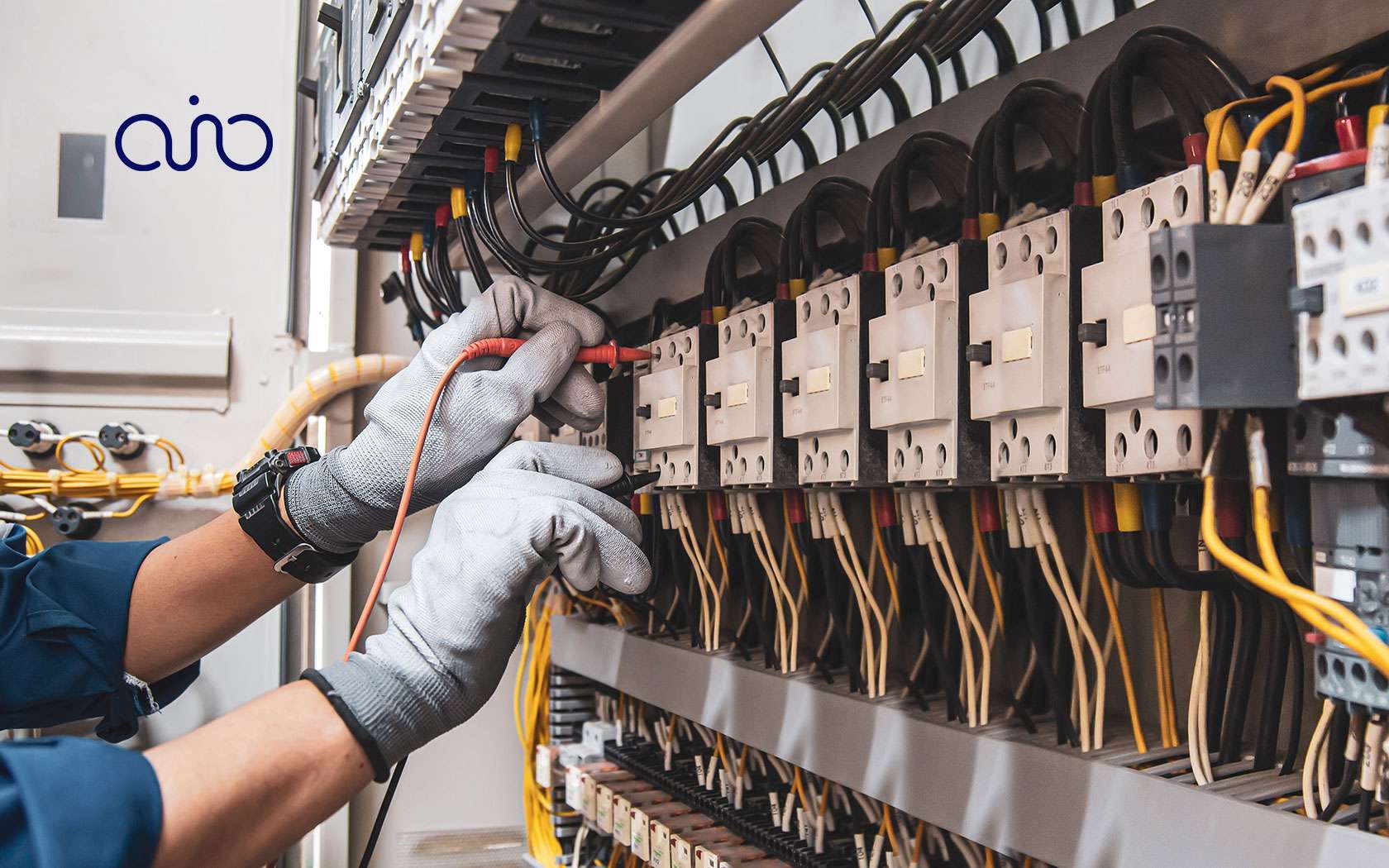
These twelve workplace checks help you spot unsafe electrical arrangements and decide who needs to act. A visible warning sign is a reason to investigate, rather than a diagnosis or an automatic legal verdict.
Stop using damaged equipment, report faults promptly and keep a maintenance plan suited to your site. Use competent people for inspection, repair and electrical work.
Check the connected load and the equipment ratings. Repeated circuit trips need investigation; do not solve them by repeatedly resetting the protection or fitting a larger device.
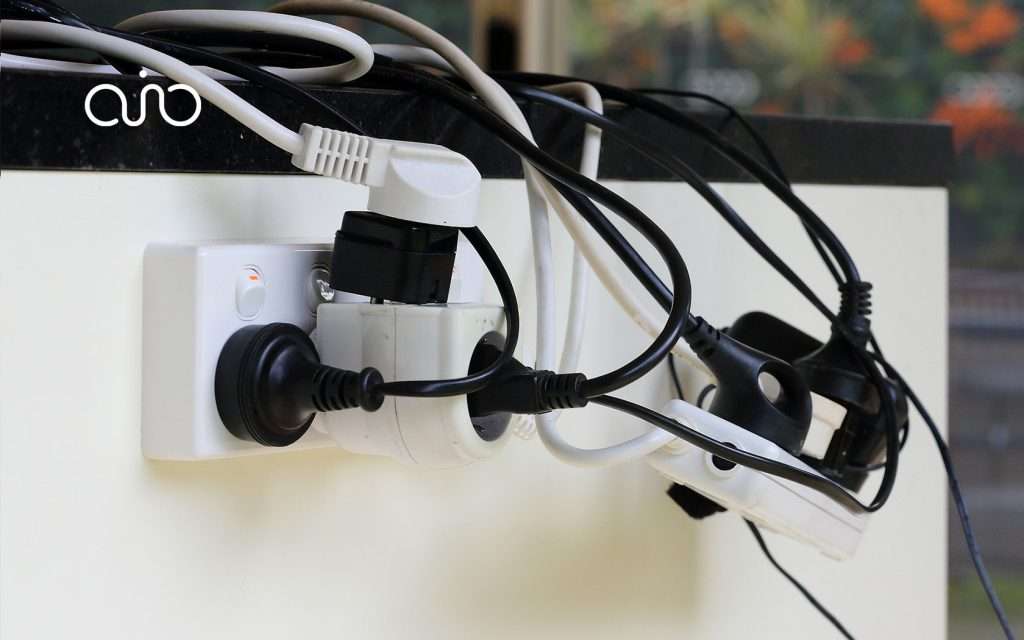
Choose a lead suited to its load and environment. Avoid trapped cables and makeshift routing. If extensions are routinely needed, discuss additional permanent sockets with an electrician.
RCD requirements depend on the installation and use. Have a competent electrician assess them and follow the device instructions for button tests. An RCD does not make damaged equipment safe.
Set checks and tests from risk, manufacturer guidance and previous findings. Review the plan when equipment, conditions or use change. A single 5–10 year interval is not appropriate for all electrical maintenance.

Investigate unusual heat, scorching, burning smells, crackling and repeated trips. Keep the affected item or outlet out of use and isolate safely where necessary.
Cuts, crushed insulation and exposed inner cores need competent assessment. Do not use tape as a repair. Replace unsuitable leads and record the action taken.
Stay within the total rating of the extension and do not connect extensions together. Surge suppression is different from overload protection.
Three plug pins do not prove effective earthing. Class I and Class II equipment use different protective arrangements; Class II equipment does not rely on a protective earth. The inspector must identify the class and select appropriate checks.
Keep distribution equipment accessible and follow the site’s required clearances and emergency arrangements. Do not store materials where they obstruct isolation or create a fire risk.
Use a competent person for the work involved. Fixed wiring and socket repairs need an appropriately skilled electrician; a standard PAT visit is not a substitute.
Follow the luminaire’s rating and instructions for replacement lamps. Check compatibility, including enclosed fittings and dimmers. A different technology is not automatically suitable.
Use equipment and connections suitable for the conditions, with appropriate protection from moisture and mechanical damage. Review temporary supplies with a competent person before use.
Assign each concern to someone who can resolve it. Keep defective equipment out of service until it has been repaired or replaced and checked as appropriate.
Further guidance: HSE guidance on electrically powered equipment.
Planning a workplace visit? Get a PAT testing estimate or see our reports and labels before you book.
View our example report and appliance labels before you book.